Over the past few months we have been supporting a fast-growing, bootstrapped company with more than 20 million dollars in revenue across two years. Since the team had no external funding and was focused on building, only recently did we start forming relationships with VC funds. The company operates in crypto. The space is becoming more institutional, yet it still has gray zones. Be careful about who you engage with and how far you go.
In today’s piece, we want to warn you about how sophisticated scams have become and raise awareness about making calm, rational decisions even under pressure.
What happened
One of the funds we reached out to was YZi Labs (formerly Binance Labs), the venture arm of the world’s largest crypto exchange.

We reached out to several investment partners, including someone using the name Dana H. Everything looked normal at first. We received positive feedback and scheduled a call.
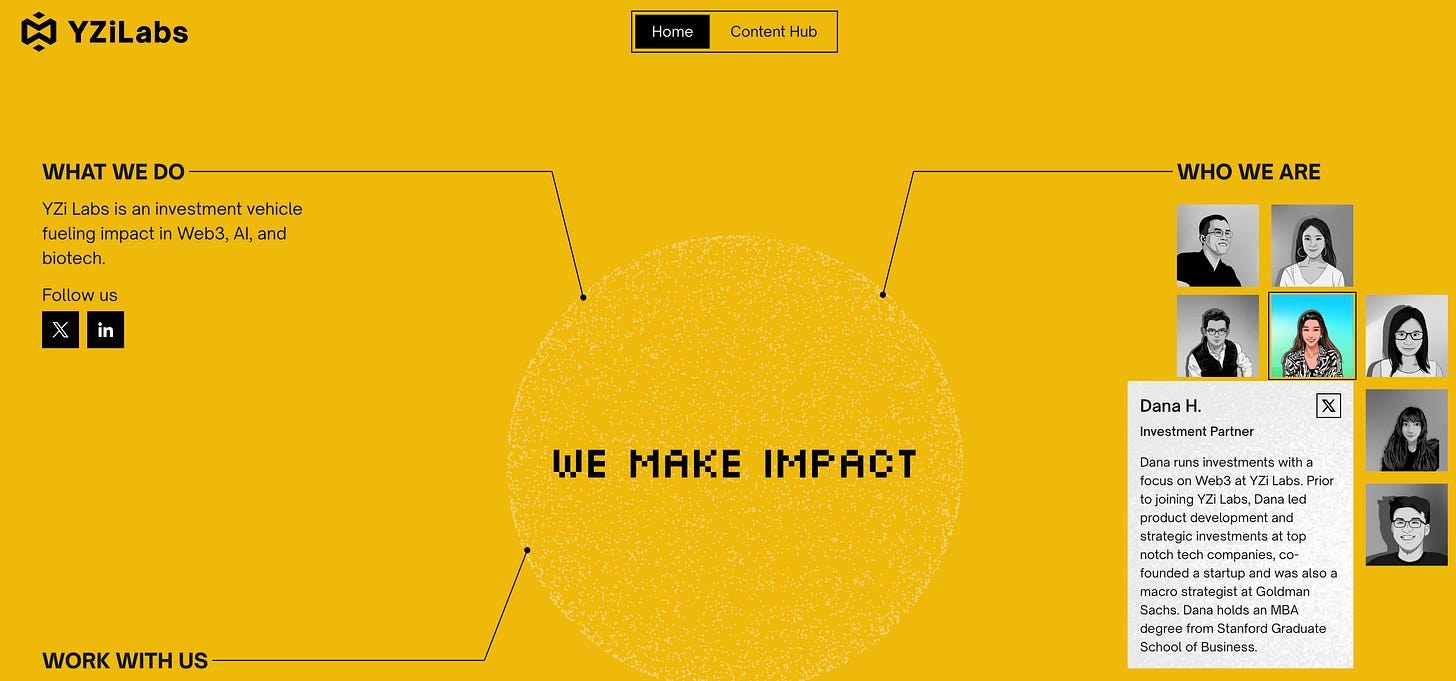

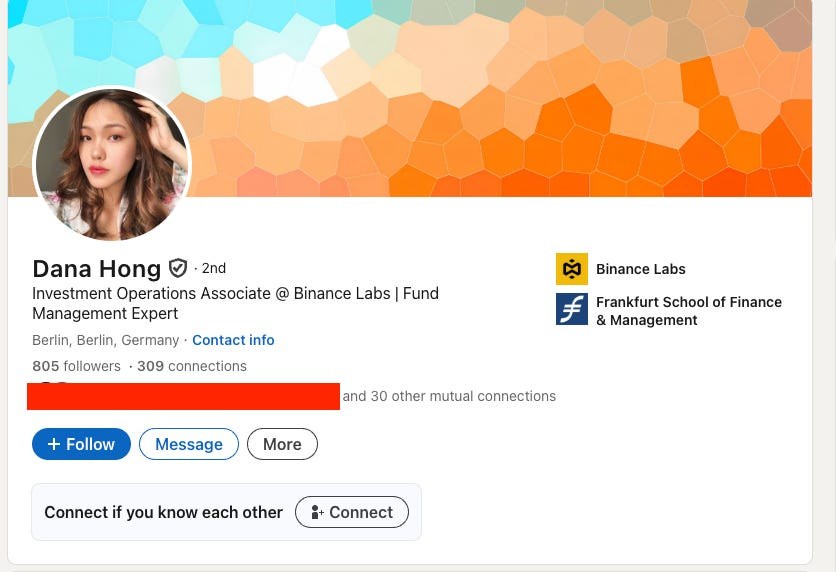
The first red flag appeared immediately. The Calendly invite had no Meet, Zoom or Teams link. We were told a Google Meet link would arrive 15 minutes before the call. Another red flag was the misleading LinkedIn information, which did not match the details shared during our communication.
On the call, an “Associate” joined and said Dana would be late. Despite representing a top fund with hundreds of investments, the Associate’s comments lacked substance. After a brief CEO pitch and a few Q&As, the Associate mentioned that Dana was currently on a call with Fenbushi Capital, a $1.6B crypto fund operating for over a decade, and suggested they would be a perfect connection for us. Things moved very quickly from there.

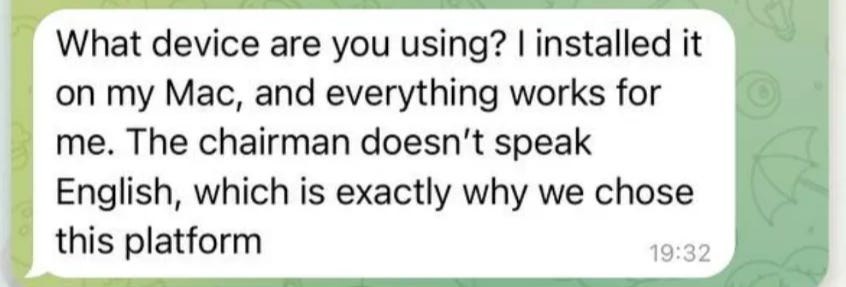
We were told the Fenbushi team was not fully fluent in English and that their call used a platform with live translation called “Vironect,” a “decentralized video call platform” that, according to him, YZi Labs had invested in.
This was a big red flag.


This was presented as the reason to switch platforms and download something new right away. That combination felt off.
We reviewed the tool, found multiple red flags, including scam alerts and no evidence of any YZi Labs investment, and ended the call immediately.


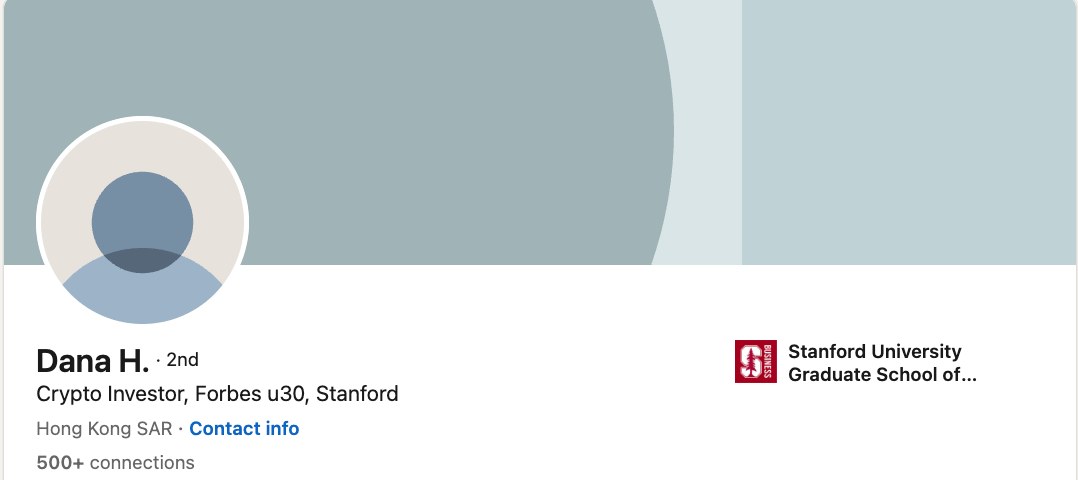
Further review showed two different online profiles for “Dana H.” One matched a real person with experience at Goldman Sachs and an MBA from Stanford. The fake one claimed studies at a university in Frankfurt.
Nothing major happened in our case, but under the pressure of speaking with a big-name fund, many founders could make a costly mistake.
Red flags we saw
- No standard video link in the calendar invite
- Senior investor absent or “joining later” with no explanation
- Low substance from the person on the call
- Fast escalation, name-dropping a well-known fund to create urgency
- Pressure to switch to an unfamiliar platform that required a download
- Claimed investor affiliation with the platform being pushed
- Misleading information on a LinkedIn profile
How to protect yourself
- Verify identity on two independent channels. Ask for a work email from the firm’s primary domain and cross-check by calling the main office line.
- Control the meeting stack. Use your Meet, Zoom or Teams link. Never download new software minutes before a call.
- Pause when urgency appears. If someone insists on switching platforms or adding “another fund” right now, move the discussion to a later slot.
- Validate affiliations. Check names and titles across the firm’s website, recent conference appearances and credible media. Look for inconsistencies in education and work history.
- Keep an incident log. Save invites, emails, screenshots and call notes. This helps your security team and speeds up any warnings to others.
- Invest in security basics. Strong email hygiene, role-based accounts, phishing training and strict device policies reduce risk from all angles.
VC scam playbook:
- Bait and switch: “Investor” gets you on a call, then sells services.
- Pay to play: upfront “DD” or “appraisal” fees for a chance to be considered. Skip.
- Pay to pitch: fees to present to investors. Real demand does not charge you to show up.
- VC on payroll: small check tied to a paid advisory gig that drains your cash.
- Heads I win, tails you lose: terms that make you personally liable or guarantee their upside.
- We know him: brokers claim deep ties based on a single call or LinkedIn add. Verify references.
- Let’s do equity instead: fee swapped for 4 percent equity for intros. Misaligned incentives.
- Use this app to apply: fake investor pushes you into their tool to harvest leads.
- Drag and drop: long “yes” turns into a last minute retrade when your runway is thin.
- Spearfishing: data room access, then silence. Info grab, not intent.
- Accelerators: not all are scams. If no cash in, it is a service. Value depends on founder stage.
- Crazy good deal: more money at higher valuation, then harsh prefs and a tougher next round.
- Dirty sheets: term sheets packed with traps. Anything not negotiated is a liability.
- Lethal vesting: comp tied to a round close you do not control. Legal, but deadly.
- Meeting link swap: invite updated right before the call. Phishing risk. Recheck links.
Ten rules to stay safe
- Be skeptical. No free lunch.
- Learn the standard process and terms.
- Tie compensation to results where possible.
- Research portfolios and conflicts.
- Reference check 3 to 4 founders before you sign.
- Get promises in writing.
- Keep decks non confidential, assume they will be shared.
- Use a two stage data room and gate sensitive docs.
- Lawyer up with counsel experienced in venture.
- Never stop raising until funds clear. One term sheet is not leverage.
Feel free to share with anyone who might benefit. The more people know, the better we can protect both company and personal funds.
Sources:
Risk Disclaimer:
insights4.vc and its newsletter provide research and information for educational purposes only and should not be taken as any form of professional advice. We do not advocate for any investment actions, including buying, selling, or holding digital assets.
The content reflects only the writer's views and not financial advice. Please conduct your own due diligence before engaging with cryptocurrencies, DeFi, NFTs, Web 3 or related technologies, as they carry high risks and values can fluctuate significantly.